Good Catch Examples
Real-World Examples: What Does a "Good Catch" Look Like?
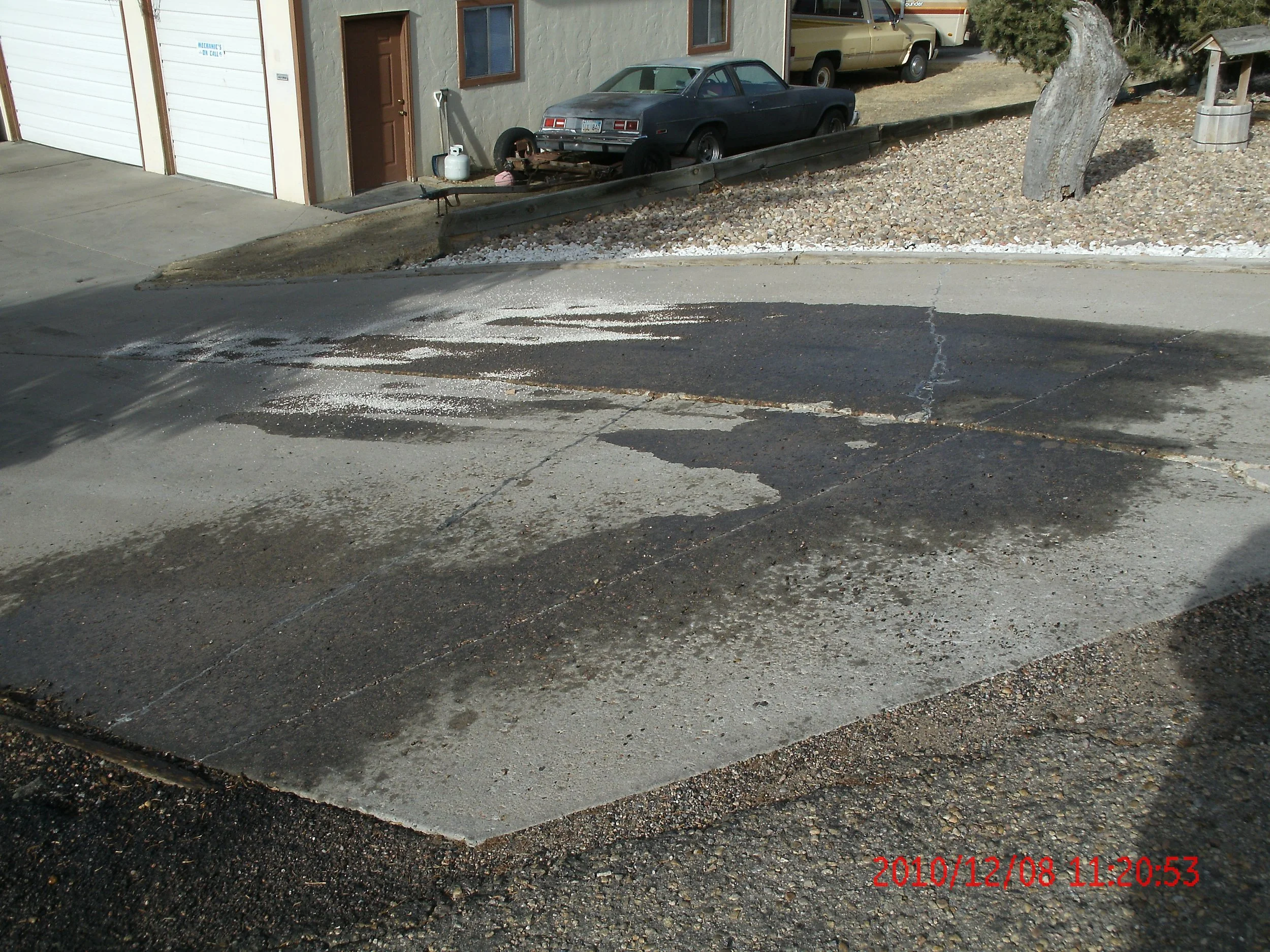
Example 2: The Hydraulic Leak
The Scenario: An employee was assigned as a flagger for a tree-trimming crew. While the crew was focused on the canopy and the work "in the air," the flagger maintained a 360-degree view of the job site.
The Observation: The flagger noticed a fluid leak forming on the ground directly underneath the bucket truck while the operator was aloft.
The Action Taken:
Waved down the working foreman immediately to report the leak.
The foreman signaled the operator to descend and clear the bucket.
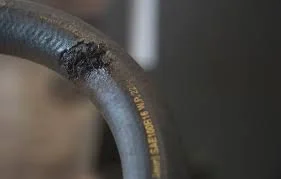
A thorough inspection revealed a broken hydraulic line leading to the outrigger.
The Outcome: The crew halted operations and called in a mechanic. The line was repaired on-site, and work resumed only once the equipment was verified as safe.
Why this was a Good Catch: Hydraulic failure on an outrigger can lead to a catastrophic tip-over or an uncontrolled drop of the bucket. Because the flagger spoke up about something "under the truck," they potentially prevented a major equipment failure and a life-threatening incident.
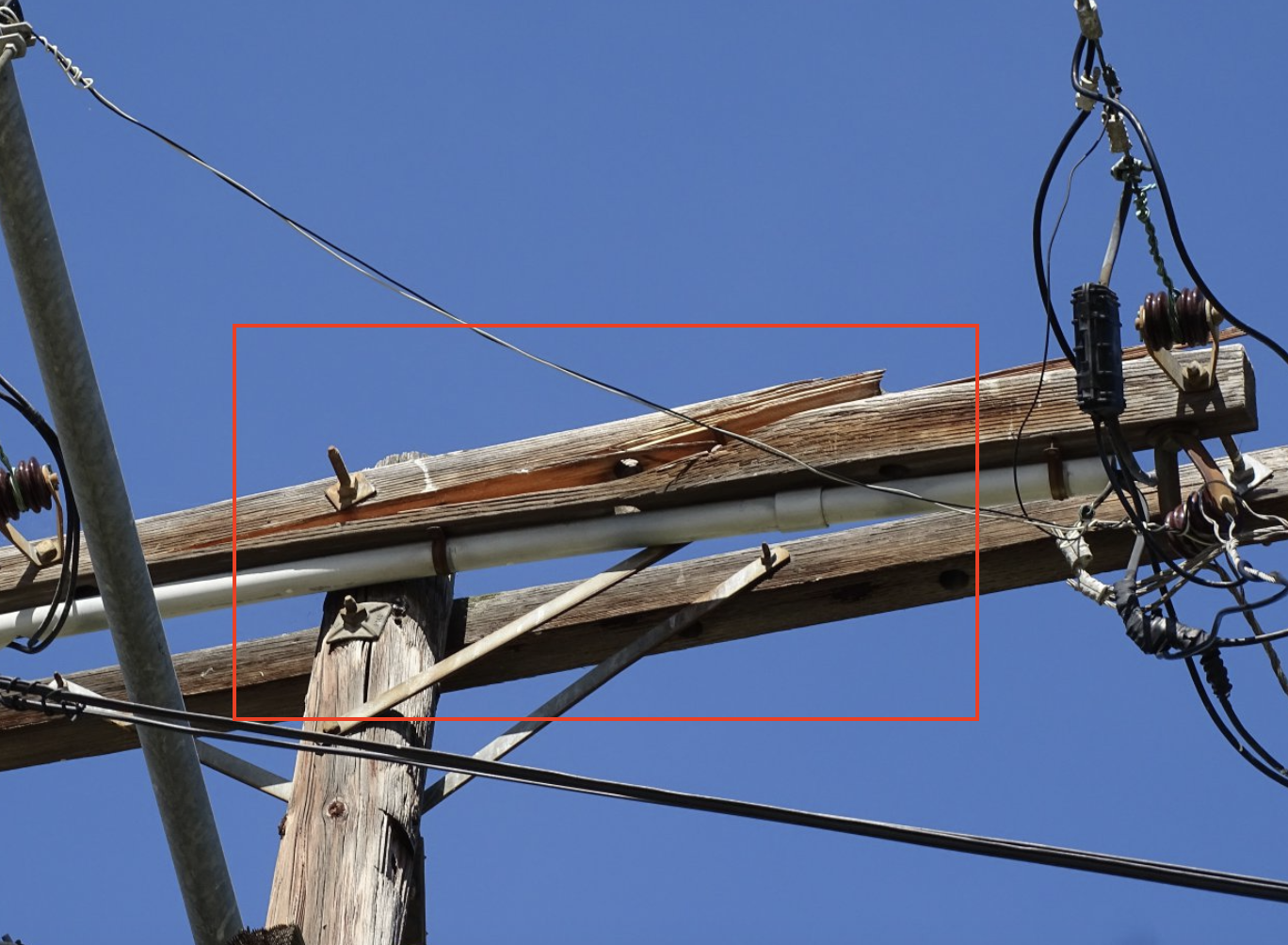
Example 1: The Broken Cross-Arm
The Scenario: While working the line on a 13.2 kV primary system, a crew member looked beyond their immediate work zone.
The Observation: Two spans away, the worker noticed a cross-arm that appeared crooked on one side. Even though it wasn't the pole they were currently working on, they recognized the anomaly.
The Action Taken: * Called an "All-Stop" to pause work.
Walked down the line to inspect the structure from the ground.
Confirmed the cross-arm was broken at the center bolt.
The Outcome: The crew notified National Grid CS immediately. The utility requested the repair be completed before work continued on the primary. By identifying this "landmine" early, the crew prevented a potential structural failure or an unplanned outage during their live-line work.
Why this was a Good Catch: It showed situational awareness. The hazard wasn't in the immediate "scope of work," but the employee took ownership of the entire environment to ensure the team stayed safe.
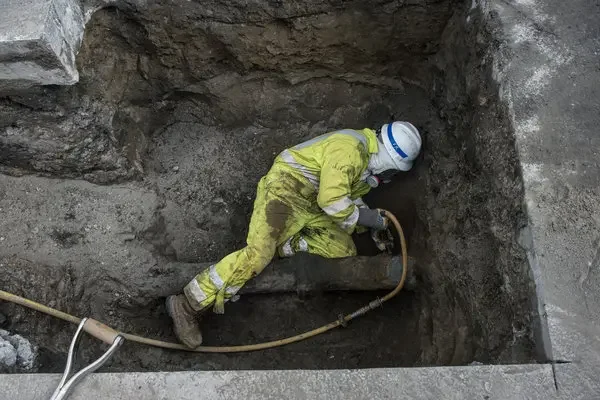
Example 3: The Unmarked Gas Main
The Scenario: A crew was excavating a trench for an underground secondary wire installation. All "Dig Safe" tickets were active, and the area had been fully marked out by the utility locators.
The Observation: While the operator was digging, the designated Observer noticed a change in the soil composition—specifically, a pocket of sand mixed in with the mud. Knowing that sand is often used as "clean fill" or a warning layer for buried utilities, the Observer recognized a potential red flag.
The Action Taken:
The Observer immediately signaled the operator to stop the excavator.
The operator exited the machine to assist with hand-digging a test hole in the specific area.
They quickly uncovered a gas line that was directly in the path of the trench.
The Outcome: Because the Observer was focused on the soil rather than just the "paint on the ground," the crew avoided a high-pressure gas strike. The trench was safely rerouted, and a potentially explosive situation was neutralized.
Why this was a Good Catch: Mark-outs are not always 100% accurate. This catch proves that "Defensive Digging" and an eagle-eyed Observer are the last line of defense against catastrophic utility strikes.
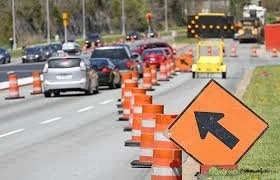
Example 4: The Misleading Traffic Pattern
The Scenario: A traffic control team was setting up a long-term lane closure on a busy two-lane highway. The setup followed the engineered traffic control plan (TCP) exactly as drawn.
The Observation: After the cones and signs were placed, a team member stayed back to observe traffic flow. They noticed that a specific side-street intersection was causing motorists to become confused. Drivers were turning into the work zone because a "Road Work Ahead" sign was slightly blocking their view of the detour arrow.
The Action Taken:
The team member radioed the Crew Lead to report the "near-miss" behavior of the confused drivers.
They called a "Timeout" to reassess the taper and sign placement.
The team adjusted the sign 25 feet back and added extra delineators to clearly "close" the gap that was confusing drivers.
The Outcome: Motorist confusion dropped immediately, and the risk of a vehicle entering the active work space was eliminated.
Why this was a Good Catch: Just because a setup is "by the book" doesn't mean it’s perfect for the real-world environment. This catch showed that monitoring the behavior of the public is just as important as putting out the cones. It prevented a potential vehicle intrusion into the workspace.